
Why Schools and Churches in Kenya Are Switching to Solar
Solar Energy
Schools, churches, and community institutions across Kenya face a common challenge — high electricity bills that drain budgets meant for education, ministry, and community service. Solar energy is changing that equation entirely.
The Problem With Grid Power for Institutions
Institutions typically operate during peak hours when electricity demand — and costs — are highest. Add frequent outages disrupting lessons or services, and the case for independence from the grid becomes very compelling.
Why Solar Makes Sense for Schools
Schools operate primarily during daylight hours — which is exactly when solar panels produce the most energy. This alignment means a well-sized solar system can cover nearly 100% of a school's daytime power needs. Many schools we've worked with have cut their electricity bills by over 80% within the first year.

Why Solar Makes Sense for Churches
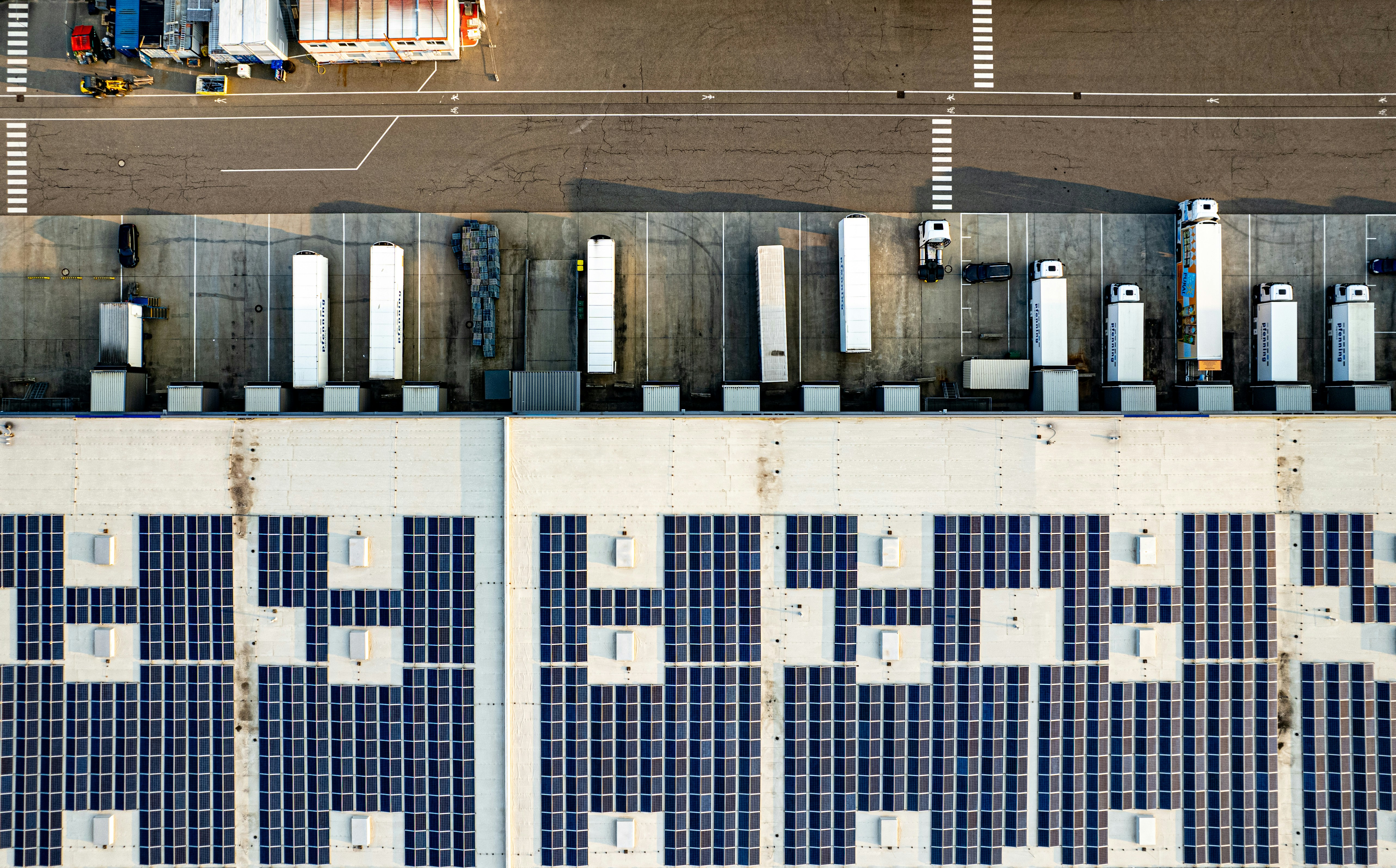
Churches and worship centres often have large rooftops — ideal for solar installations. Weekend services, weekday programs, and events all consume significant power. A solar system with battery backup ensures uninterrupted power regardless of grid reliability.
What's the Return on Investment?
For most institutions, the solar system pays for itself within 3–4 years through electricity savings. After that, power is essentially free for the remaining 20+ year lifespan of the panels.
Get a Free Site Assessment
SW Consultants' Kenya specialises in solar installations for schools, churches, and community institutions. Contact us today and we'll assess your site and provide a no-obligation quotation.
BLOG & INSIGHTS
Exploring innovations, strategies, and the future.


Why Schools and Churches in Kenya Are Switching to Solar
Solar Energy
Schools, churches, and community institutions across Kenya face a common challenge — high electricity bills that drain budgets meant for education, ministry, and community service. Solar energy is changing that equation entirely.
The Problem With Grid Power for Institutions
Institutions typically operate during peak hours when electricity demand — and costs — are highest. Add frequent outages disrupting lessons or services, and the case for independence from the grid becomes very compelling.
Why Solar Makes Sense for Schools
Schools operate primarily during daylight hours — which is exactly when solar panels produce the most energy. This alignment means a well-sized solar system can cover nearly 100% of a school's daytime power needs. Many schools we've worked with have cut their electricity bills by over 80% within the first year.
Why Solar Makes Sense for Churches
Churches and worship centres often have large rooftops — ideal for solar installations. Weekend services, weekday programs, and events all consume significant power. A solar system with battery backup ensures uninterrupted power regardless of grid reliability.
What's the Return on Investment?
For most institutions, the solar system pays for itself within 3–4 years through electricity savings. After that, power is essentially free for the remaining 20+ year lifespan of the panels.
Get a Free Site Assessment
SW Consultants' Kenya specialises in solar installations for schools, churches, and community institutions. Contact us today and we'll assess your site and provide a no-obligation quotation.
BLOG & INSIGHTS